

 English
 русский
 Français
 Español
 عربى
Technical Parameters for Cell Therapy and Biotech Suites
Requirements depend on whether processing is open or closed, on the product risk and on the guideline you follow. Open manipulations normally take place in a Grade A biological safety cabinet or isolator inside a Grade B background, while closed systems may allow lower background grades. Your risk assessment and regulator decide the final design; the table shows common references.
| Area | Typical reference | Typical materials from us |
|---|---|---|
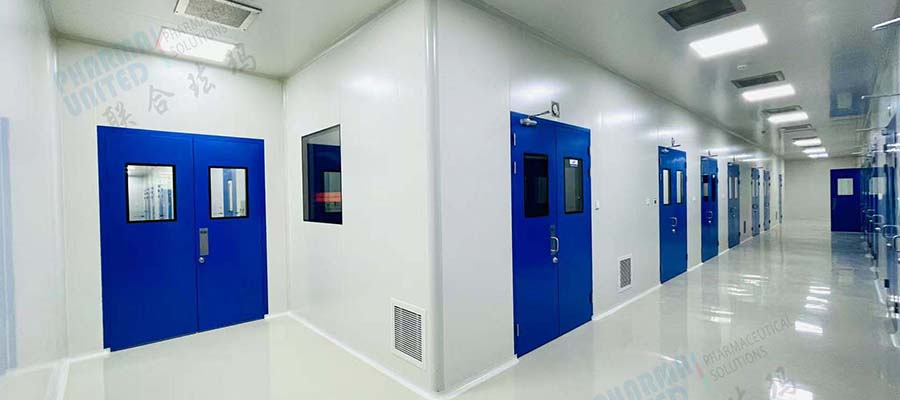
| Open manipulation (BSC or isolator) | Grade A in Grade B background (ISO 5 in ISO 7 in operation) | Flush panels, HEPA Supply Boxes, interlocked doors |
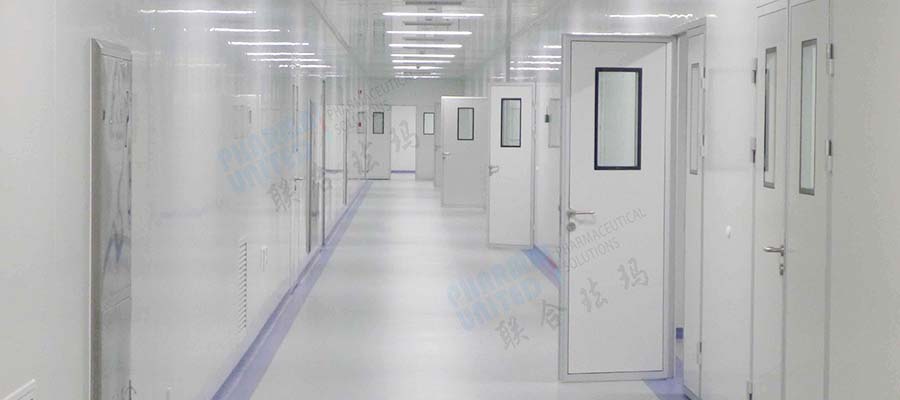
| Closed-system processing | Grade C or D, depending on risk | Smooth panels, standard flush doors |
| Gowning and airlocks | Graded B to D by stage | Air Shower, interlocks, step-over bench |
| Viral vector handling | Often BSL-2 practices with negative pressure | Sealed envelope, Pass Box, HEPA exhaust |
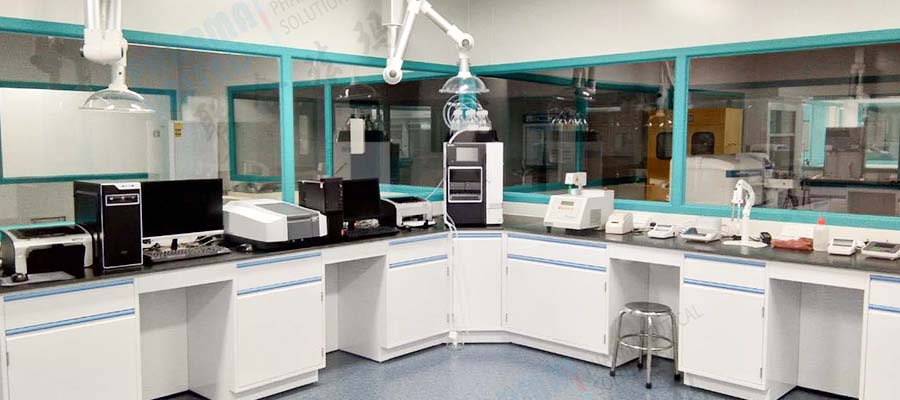
| QC and microbiology laboratory | ISO 7 or ISO 8 | Panels, doors, windows |
| Cryogenic storage area | Ventilation and oxygen monitoring required | Doors, panels, ventilation openings |
| Pressure cascade | About 10–15 Pa between grades | Airtight envelope, interlock |
Design points for cell therapy:
- Segregation: separate suites or time-based changeover prevent mix-ups between patients or batches.
- Flexibility: modular rooms allow suites to be added as patient volumes grow.
- Decontamination: surfaces should tolerate the disinfectants and any gaseous agents in your SOPs.
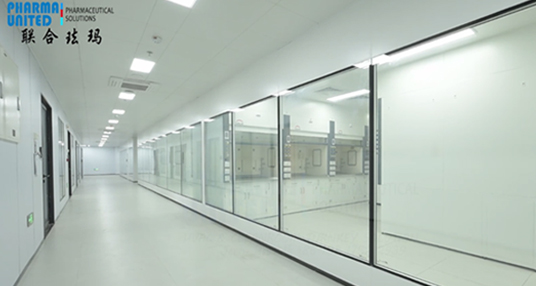
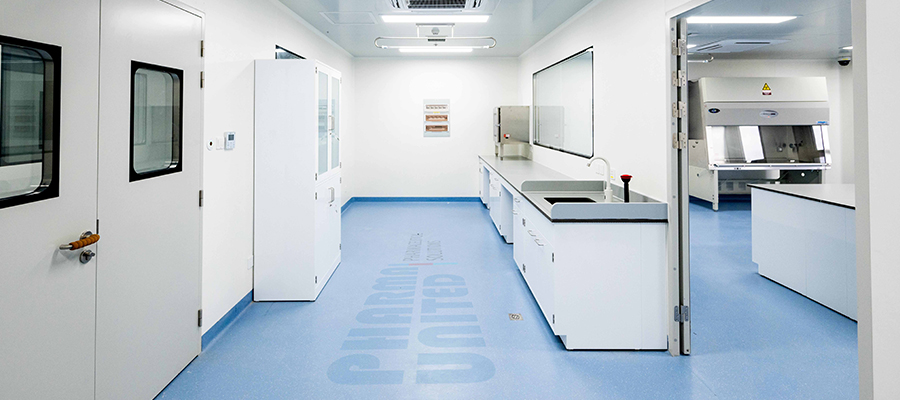
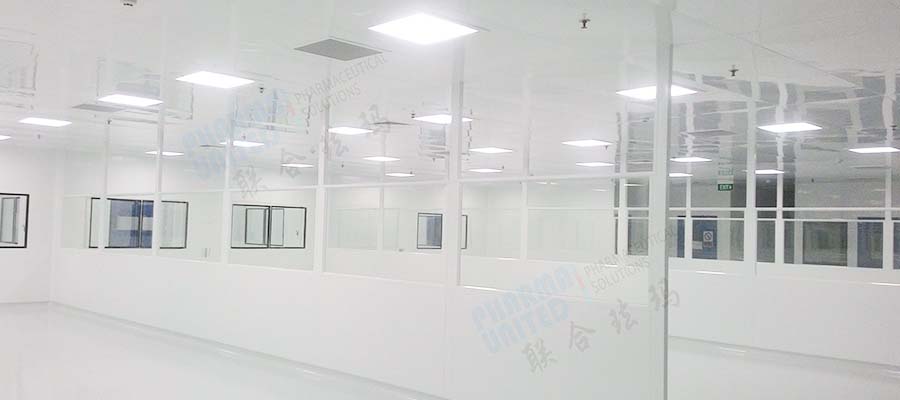
- Observation: windows help supervisors review work without entering.
Dimensions, colors and door layouts can be customized for each suite.
Please also tell us about your planned incubators, freezers, cabinets and trolleys, so door widths, floor loads and wall openings can be sized correctly from the start.
Cross-Border Delivery and Localized Construction Support
Many cell therapy companies are young and move quickly. A typical project may start in rented space with a short lease and tight funding, so speed, predictable delivery and the option to expand or relocate are valuable. We design shipments to support that style of work.
- Brief and layout: we review your process flow, suite list and equipment sizes.
- Drawings: layout, elevations, ceiling plans and door schedules are confirmed before production.
- Production: modular panels, doors and PODs are made and numbered.
- Packing and shipping: flat-pack loading in 20GP or 40HQ containers, with documents and FOB, CFR or CIF terms.
- Installation support: manuals, video guidance or a supervising engineer.
Local construction: a small suite can often be built by a trained local contractor within a few weeks, which is much faster than conventional building work. Biosafety cabinets, incubators and freezers are normally delivered separately, so we plan openings, door widths and floor loads for them early. Electrical and data outlets, gas lines and alarm points must also be marked on the drawings before the walls are closed.
Modular systems also allow the whole suite to be dismantled and moved if the company changes premises, which protects the investment.
For companies working with several advisers, we suggest a short kickoff call that includes your process engineer, HVAC designer, contractor and our engineer. Walking through the drawings together usually removes most questions about openings, door swings and sequence, and it keeps small changes from turning into delays after production has begun.
Quality Control and Certification
Regulators review cell therapy manufacturing through the quality system, process validation and facility qualification. Building products themselves are not approved or certified for cell therapy, so we do not make such claims. What we supply is consistent manufacturing and documentation that supports your qualification.
| Control step | Inspection | Why it matters |
|---|---|---|
| Incoming materials | Sheet, face, core, profiles, gaskets, glass | Known quality |
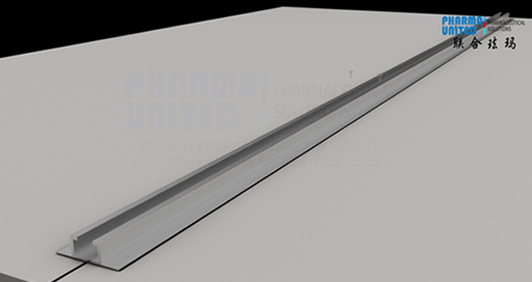
| Panel production | Dimensions, flatness, bonding, edge sealing | Tight, flush joints |
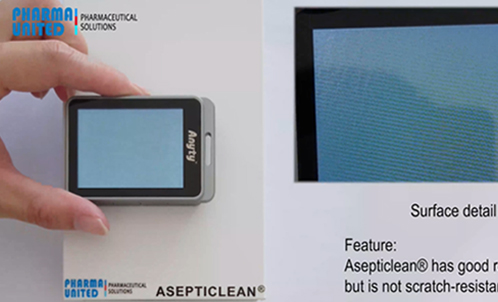
| Surface inspection | Scratches, bubbles, color, cleanability | Easy disinfection |
| Door and window | Gasket contact, hinge and interlock function | Pressure stability |
| HEPA products | Factory efficiency records, visual check | Filter traceability |
| Packing | Count, labels, condition | Complete, undamaged delivery |
Documents available: material specifications, factory inspection records, filter data and, where available, reports on fire or surface performance. These can be added to your design and installation qualification files.
Cell therapy rooms are cleaned often, using disinfectants and sometimes sporicidal agents. Please tell us your agents and frequency, and we will suggest compatible faces and sealants. We welcome supplier audits, sample approval and questionnaires from your quality unit.
Room qualification, particle counting and filter leak tests should be carried out by a qualified third party after installation, and we can supply drawings and component data for that work.
Start-ups often undergo audits by investors, partners and regulators within a short period. We help by answering technical questionnaires, providing sample panels and doors, and explaining how our batches are recorded. Our factory is open for audits and live video tours, so your quality staff can see production steps for themselves.
We would always rather state clearly what documents exist than risk a misunderstanding later.
After-Sales Service and Response Capability
In a cell therapy suite, a problem with a door seal or a damaged panel can interrupt a patient batch, so quick answers matter. We keep complete project records, which allow us to identify exactly which parts were supplied to your suite.
- Fast communication: technical questions answered in English by email, phone or messaging.
- Remote diagnosis: photos or videos of gaskets, hinges, windows and joints usually allow a first assessment.
- Spare parts: gaskets, hinges, closers, handles, windows, lights and HEPA Filters.
- Expansion support: new suites, doors or Pass Boxes can be added with updated drawings for your change control.
- Engineer visits: by arrangement for repair, relocation or expansion.
Routine checks we suggest:
| Task | Frequency |
|---|---|
| Door closing and interlock function | Daily by operators |
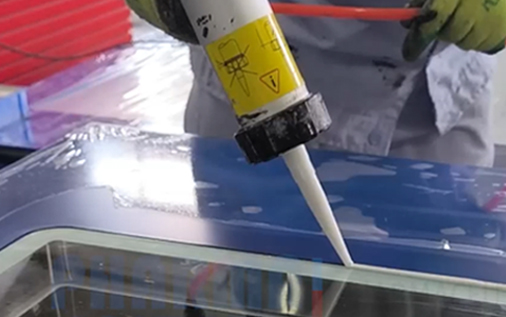
| Gaskets, hinges and sealant | Monthly |
| Surface condition and corners | Every six months |
| Filter integrity and pressure verification | As defined in your quality procedures |
Keep records of all repairs and replacements, since inspectors and auditors often ask for them. If you plan to relocate or rebuild a suite, contact us early, because modular panels can usually be dismantled and reused.
When a problem arises outside our working hours, send photos and a short description by email or messaging. We will review them at the start of our next working day, compare them with your project drawings and reply with the likely cause, the recommended part and a repair method.
For urgent cases, we discuss the fastest shipping option and prepare documents in advance. We also suggest keeping a small kit of gaskets, sealant and spare hinges at the site, so that minor repairs need not wait for a shipment.
If your company later moves or enlarges the suite, our team can advise how to dismantle, label and reuse the modular parts.
Commercial Terms, Warranty and Lifecycle Cost
For many cell therapy companies, capital is limited and the business plan may change within a year. Choosing a modular, reusable envelope often reduces the real cost more than choosing the lowest price, because suites can be moved, resized or reassigned as the pipeline develops.
| Item | Our approach |
|---|---|
| Quotation | Itemized by suite and component, with drawings |
| Trade terms | FOB, CFR or CIF, defined in the quotation |
| Payment | Commonly a deposit with balance before shipment or against documents; final terms in the contract |
| Warranty | Defined by component group in the contract |
| Lead time | Given after drawing confirmation |
| Customization | Size, color, door layout, window options |
Where cost is decided:
- Number of segregated suites: more suites cost more but give greater batch flexibility.
- Grade of background: Grade B construction costs more than Grade C or D, so closed systems can lower budget where regulators allow.
- Airtightness: reduces air handling energy, which is a large running cost.
- Reusability: modular panels preserve value if you move.
Equipment, HVAC, monitoring, qualification and permits are outside our supply and should be added to your budget. Warranty exclusions, such as damage from unsuitable chemicals, are written clearly in the contract.
When comparing quotations, make sure each supplier lists the same items: panel thickness, face material, profiles, door hardware, glass, ceiling panels and packing. We provide an itemized list so you can compare scope fairly, and we are happy to propose alternative specifications if you need to match a limited budget while keeping the critical suites to a high standard.
Real Factory Strength for Biotech and Cell Therapy Projects
Young biotech companies need suppliers who are dependable and flexible. Pharma United Co., Ltd., founded in 2006, operates two factories in Kunshan and Qianjiang with 20,000 m² of factory area and a team of more than 60 staff. We are a manufacturer, not a trading company.
| Indicator | Information |
|---|---|
| Experience | 20+ years in cleanroom engineering |
| HPL cleanroom panels | About 250,000 m² per year; China's largest HPL cleanroom panel manufacturer |
| Container shipments | More than 1,000 forty-foot high-cube containers per year |
| Location | Kunshan, about 30 km from Shanghai |
| Product range | Panels, doors and windows, equipment, modular PODs, HEPA products |
| Service | Design, manufacture and installation support |
Why this helps biotech buyers: because we make panels, doors, Pass Boxes, Laminar Air Flow units and PODs ourselves, a whole suite can come from one factory with matching dimensions and finishes. Small and medium orders are welcome, and we can ship mixed loads to keep freight cost reasonable.
Our large panel output keeps raw material supply stable, and our export experience helps us pack and document shipments correctly. Samples, project references, factory visits and video tours are available on request.
Our designers can adapt standard layouts to unusual rooms and short timelines, and our engineers answer technical questions directly.
Our designers, engineers, production supervisors and export coordinators work together on each order, which gives customers a single point of contact. Biotech teams often work in several time zones, and our staff reply promptly and in plain language.
Photos, videos and references from comparable laboratory and cleanroom projects can be shared on request.
Biotech & Cell Therapy Lab Build-Out FAQ
Q1. What grade do cell therapy rooms need?
Open manipulations usually take place in Grade A within a Grade B background. Closed systems may allow Grade C or D backgrounds. Your risk assessment and regulator decide.
Q2. Can a modular POD be used for cell processing?
Yes, modular rooms are widely used for pilot and small-scale production, provided the design meets your required grade, airflow and pressure.
Q3. Do you supply biosafety cabinets and incubators?
No. We supply the envelope, doors, windows, Pass Boxes, Laminar Air Flow units and HEPA components, and coordinate openings and interfaces with equipment suppliers.
Q4. Are your panels certified for cell therapy?
No building product holds such a certificate. Our surfaces are smooth, sealed and cleanable, and we provide records that support your qualification.
Q5. Can I move the suite later?
Often yes. Modular panels can be dismantled and reinstalled, although some consumable parts such as gaskets and sealant are replaced.
Q6. How long does installation take?
It depends on size and site conditions. We give a schedule after reviewing your drawings.
Q7. How do I request a quotation?
Send your process flow, suite list, floor plan and destination country.
Q8. Can you help with layout and personnel flow?
Yes. We prepare layout proposals that separate people, materials and waste, and we explain the reasoning so your team can adjust it to your process.
Q9. Do you offer samples?
Yes, samples of faces, joints and gaskets can be sent for your own disinfectant tests.
Q10. Can the suite support viral vector work?
The envelope can support BSL-2 style rooms with negative pressure, but containment design must follow your biosafety assessment and local rules.