banner
  • Stainless Steel Cleanroom Panel and Door FAQ
    Stainless Steel Cleanroom Panel and Door FAQ Jul 24, 2026
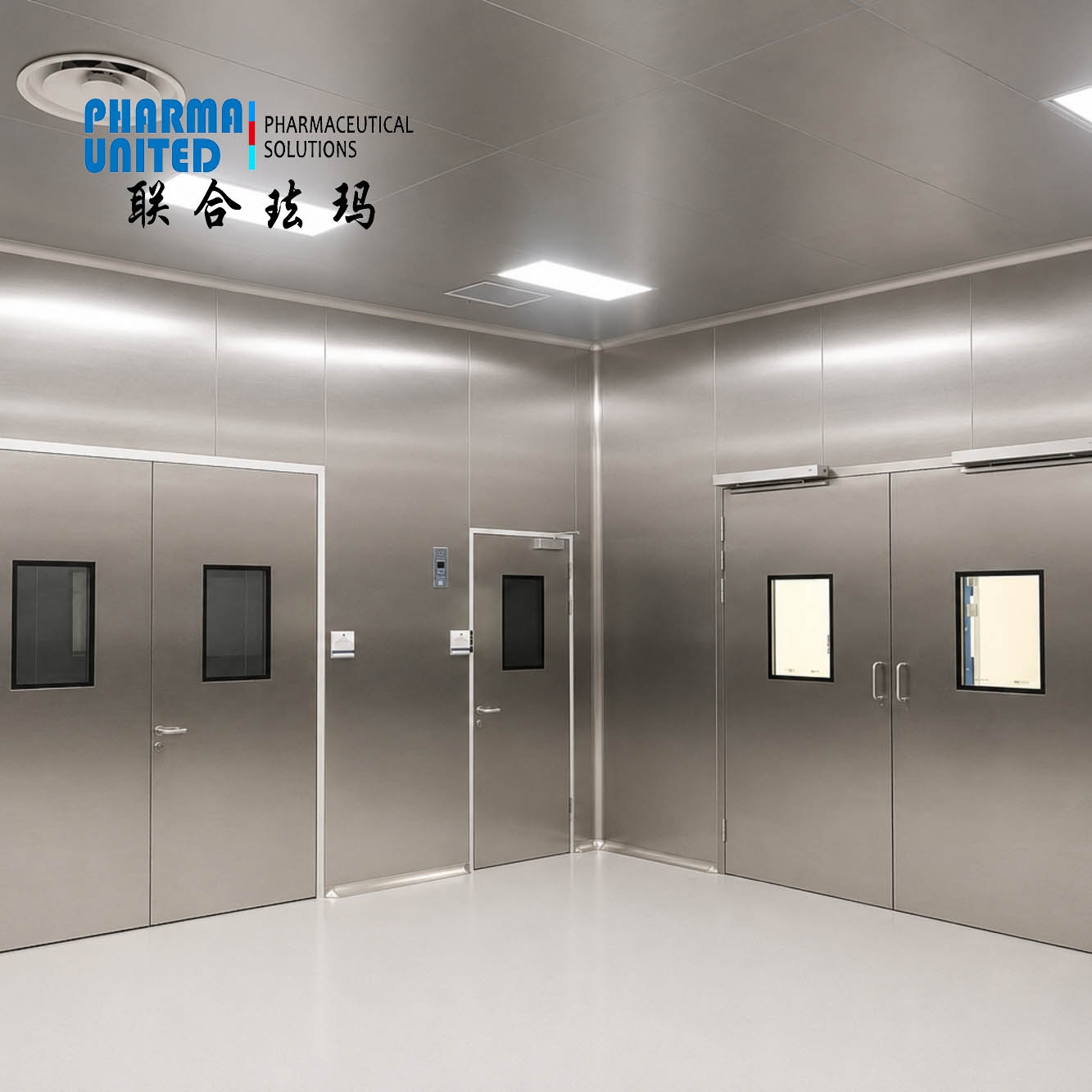
    Q1: What is a stainless steel cleanroom panel?A: It is a sandwich panel with stainless steel sheets on the surface and an insulated core material. It is designed for clean, hygienic, and corrosion-resistant environments. Q2: Which stainless steel grades are available?A: SUS304 is the most commonly used grade. SUS316L is available for environments requiring higher corrosion and chemical resistance. Q3: What surface finishes are available?A: Common options include 2B matte, No.4 brushed, and BA bright finishes. Q4: What core materials can be used?A: Available core materials include rock wool, magnesium-oxide rock wool, aluminum honeycomb, paper honeycomb, and polyurethane. Q5: What is the standard panel thickness?A: Standard thicknesses are 50 mm, 75 mm, and 100 mm. The 50 mm panel is widely used in cleanroom projects. Q6: Is the panel fire-resistant?A: Yes. Panels with rock wool or magnesium-oxide rock wool cores provide excellent fire resistance. The exact fire rating depends on the panel structure and certification. Q7: Is it easy to clean and disinfect?A: Yes. The smooth, non-porous stainless steel surface is easy to clean and suitable for frequent disinfection. Q8: Where are stainless steel cleanroom panels commonly used?A: They are widely used in pharmaceutical factories, laboratories, hospitals, food-processing facilities, electronics plants, and high-humidity clean areas. Q9: Can the panel size be customized?A: Yes. Panel thickness, width, length, stainless steel grade, surface finish, and core material can be customized. Q10: What are the main advantages of stainless steel cleanroom panels?A: Their main advantages include corrosion resistance, moisture resistance, durability, easy cleaning, hygienic performance, and an attractive appearance. Q11: Can stainless steel be used on only one side?A: Yes. The panel can be manufactured with stainless steel on one side and pre-painted galvanized steel on the other to meet different application and budget requirements. Q12: How are the panels installed?A: The panels use a modular connection system with aluminum profiles or concealed joints, providing a smooth surface and tight, hygienic connections.
  • Key cleanroom equipment maintenance practices
    Key cleanroom equipment maintenance practices Jul 17, 2026
    Maintaining cleanroom equipment is critical for industries like pharmaceuticals and biotechnology, where contamination can lead to severe repercussions. Ineffective maintenance practices can result in production delays, increased costs, and product recalls. By implementing systematic maintenance strategies, you can significantly enhance equipment reliability and ensure compliance with industry standards, ultimately creating a more controlled environment. This article will cover effective cleanroom equipment maintenance practices, address common user problems, and provide actionable solutions that lead to a more efficient and productive cleanroom. Understanding the Importance of Cleanroom Equipment Maintenance Proper maintenance of cleanroom equipment minimizes the risk of contamination and ensures optimal performance. According to a report by the International Society for Pharmaceutical Engineering (ISPE), equipment failures due to inadequate maintenance can account for up to 30% of production downtime in cleanrooms. This is a significant concern considering that even minor contamination can lead to product non-compliance—potentially costing companies millions in lost revenue. 1. Regular Calibration of Equipment Why: Calibration ensures the accuracy of measurements, which is critical in a controlled environment. Operation Method: Schedule calibration at least once a year for most equipment, or according to manufacturer specifications. Use certified calibration service providers to perform the task. Suitable For: This technique is essential for laboratories that require precise measurements, such as those measuring environmental conditions or handling sensitive biological samples. **Key Points:** Regular calibration helps maintain compliance with ISO 14644 standards, which mandate that cleanroom environments maintain specific contamination control measures. 2. Routine Inspection and Cleaning Procedures Why: Frequent inspections help detect any issues before they escalate, while regular cleaning maintains an optimal environment. Operation Method: Implement a daily cleaning protocol for all cleanroom surfaces and equipment, using approved disinfectants. Inspect equipment weekly for any signs of wear or malfunction. Suitable For: Ideal for facilities with high foot traffic and processes that involve multiple personnel interactions, such as biopharma production areas. **Key Points:** Following these practices ensures compliance with FDA regulations, reducing the risk of contamination and product recalls. 3. Implementing Predictive Maintenance Strategies Why: Predictive maintenance employs data analysis and monitoring to anticipate equipment failures before they occur. Operation Method: Utilize sensors connected to a central data system that continuously monitors equipment performance metrics, allowing teams to schedule maintenance based on actual usage and wear. Suitable For: Beneficial for organizations with critical cleanroom processes that rely heavily on specific equipment, reducing unnecessary downtime and maintenance costs. **Key Points:** Studies indicate that predictive maintenance can reduce maintenance costs by up to 25% and improve equipment lifespan by 20%. 4. Developing Comprehensive SOPs (Standard Operating Procedures) Why: SOPs provide clear guidelines for cleanroom personnel, reducing errors and ensuring consistent maintenance practices. Operation Method: Create, document, and regularly update SOPs that include detailed maintenance protocols, frequency, and responsible personnel. Suitable For: Important for any cleanroom environment, particularly those with complex equipment or varying maintenance requirements. **Key Points:** According to the International Organization for Standardization (ISO), effective SOPs can lead to a 30% increase in operational efficiency. 5. Training and Development for Cleanroom Personnel Why: Continual training ensures that all personnel are up-to-date with best practices in cleanroom maintenance. Operation Method: Schedule regular training sessions that cover equipment use, maintenance guidelines, and contamination control methods. Suitable For: Essential for newly established cleanrooms or when introducing new equipment. **Key Points:** Regular training can improve compliance and reduce human error that often leads to contamination.  
  • TOP 10 Turnkey Cleanroom Supplier in China
    TOP 10 Turnkey Cleanroom Supplier in China Jul 15, 2026
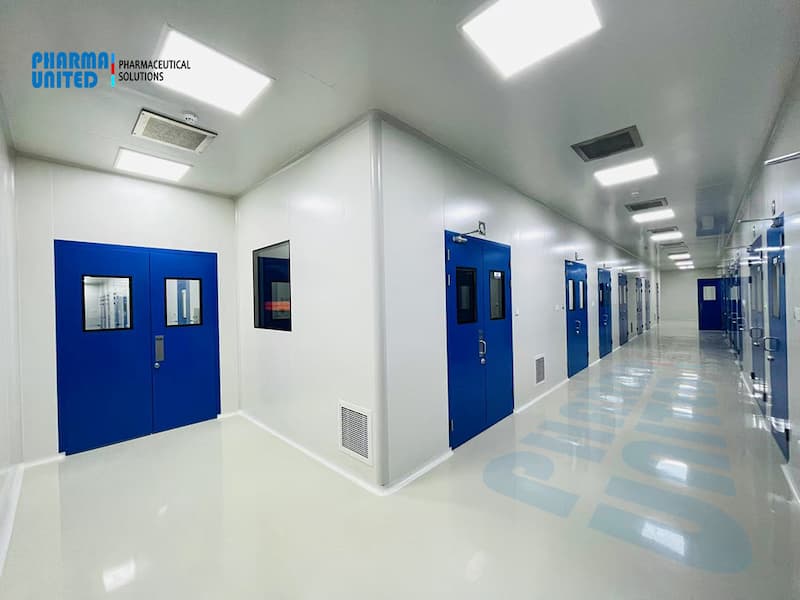
    China has rapidly become one of the world’s leading manufacturing and engineering centers for cleanroom systems and turnkey cleanroom projects. With strong production capabilities, advanced modular technologies, and competitive global delivery capacity, Chinese cleanroom companies are serving pharmaceutical, biotechnology, semiconductor, laboratory, healthcare, and food industries worldwide. Today, many Chinese cleanroom suppliers provide complete EPC turnkey solutions, including: Cleanroom design HVAC engineering Cleanroom wall and ceiling systems Doors and windows Cleanroom equipments Installation and validation services Below are some of the leading cleanroom suppliers in China recognized for their engineering capability, manufacturing strength, international project experience, and industry reputation. 1. LINE LINK CLEANROOM Website: https://www.linelink-linsen.com LINE LINK CLEANROOM is one of China’s fastest-growing turnkey cleanroom solution providers. The company integrates engineering design, in-house manufacturing, installation, and validation into a complete cleanroom ecosystem. With more than 20 years of experience and multiple manufacturing bases, LINE LINK serves pharmaceutical, biotechnology, semiconductor, healthcare, laboratory, and electronics industries worldwide. The company manufactures cleanroom panels, doors, windows, HEPA filtration systems, pass boxes, laminar airflow units, stainless steel furniture, and purification equipment under strict GMP and ISO standards. Main Strengths: Turnkey GMP cleanroom projects In-house manufacturing capability Pharmaceutical and biotech cleanrooms HVAC and purification systems Global EPC project experience Modular cleanroom systems 2. WISKIND CLEANROOM Website: https://www.wiskindcleanroom.com WISKIND CLEANROOM is one of China’s most recognized cleanroom enclosure system manufacturers. With over 40 years of industrial experience, WISKIND specializes in cleanroom wall systems, ceilings, doors, windows, and modular cleanroom engineering solutions. The company has participated in numerous pharmaceutical, semiconductor, healthcare, and electronics projects worldwide and operates one of the industry’s most advanced automated cleanroom panel production lines. Main Strengths: Cleanroom enclosure systems Automated panel manufacturing Pharmaceutical and semiconductor projects EPC cleanroom services International certifications Large-scale production capacity 3. PHARMA UNITED CO., LTD. Website: https://www.pharma-united.com PHARMA UNITED CO., LTD. is a professional turnkey cleanroom solution provider with extensive project experience across Asia, Africa, the Middle East, and other international markets. The company provides complete EPC cleanroom services, including design, manufacturing, material supply, installation, and commissioning. Pharma United operates its own manufacturing facilities for cleanroom sandwich panels, doors, windows, and stainless steel cleanroom equipments, enabling stable quality control and efficient project delivery. Main Strengths: Pharmaceutical cleanroom turnkey projects Modular cleanroom systems Cleanroom material manufacturing HVAC integration Global installation services One-stop cleanroom EPC solutions 4. AIRKEY ENVIROTECH CO., LTD Website: http://www.airkeyx.com AIRKEY ENVIROTECH is a professional cleanroom engineering company focusing on pharmaceutical and industrial cleanroom solutions. The company provides integrated services covering cleanroom design, manufacturing, construction, HVAC systems, and commissioning. Main Strengths: Pharmaceutical cleanroom engineering HVAC systems GMP workshop construction International project support Air purification technologies 5. Unival Company Limited Website: https://www.univalgroup.com/ Unival Company Limited specializes in modular cleanroom engineering and cleanroom equipment manufacturing for pharmaceutical, laboratory, electronics, and healthcare industries. Main Strengths: Modular cleanroom systems Pharmaceutical applications Cleanroom equipment manufacturing International export projects Customized cleanroom solutions 6. Max Cleanroom System Company Limited Website: http://www.ksmaxcleanroom.com/ Max Cleanroom System provides integrated cleanroom engineering solutions and specializes in cleanroom construction materials, air handling systems, and modular cleanroom technology. Main Strengths: Turnkey cleanroom systems Air filtration solutions Cleanroom panel systems Pharmaceutical and electronics industries Project management capability 7. Gusu Purification Technology Co., Ltd Website: https://www.gusucleanroom.com Gusu Purification Technology is a well-known Chinese cleanroom engineering company with extensive experience in pharmaceutical, healthcare, aerospace, semiconductor, and laboratory projects. Main Strengths: Turnkey cleanroom engineering ISO and GMP cleanrooms Pharmaceutical facilities Semiconductor cleanrooms International engineering projects 8. SUZHOU HJCLEAN TECH Co., LTD Website: https://www.hj-cleanroom.com SUZHOU HJCLEAN TECH focuses on modular cleanroom products, purification systems, and cleanroom construction services for pharmaceutical and industrial applications. Main Strengths: Cleanroom purification systems Modular cleanroom engineering Pharmaceutical cleanrooms Air handling technologies Cost-effective solutions 9. AUSTAR Group Website: https://www.austar.com.cn AUSTAR Group is one of China’s leading pharmaceutical engineering companies, specializing in sterile pharmaceutical production systems, cleanroom engineering, and process automation. The company has extensive international experience in pharmaceutical factory EPC projects and provides integrated engineering solutions for regulated industries. Main Strengths: Pharmaceutical EPC projects Sterile production systems Process automation GMP compliance solutions International pharmaceutical engineering 10. Shanghai Puriest Pharmaceutical Engineering Co., Ltd Website: http://www.puriest.cn Shanghai Puriest Pharmaceutical Engineering specializes in pharmaceutical cleanroom engineering, sterile production facilities, and GMP-compliant turnkey projects. Main Strengths: Pharmaceutical cleanroom systems Sterile production facilities GMP engineering Validation and commissioning Turnkey pharmaceutical projects Conclusion China’s cleanroom industry has developed rapidly over the past decade and has become a major global supplier of turnkey cleanroom engineering and modular cleanroom systems. Chinese cleanroom suppliers are increasingly competitive in: Pharmaceutical cleanroom EPC projects Modular cleanroom construction HVAC engineering Cleanroom material manufacturing International installation services GMP and ISO-compliant cleanroom solutions With strong manufacturing capability, fast delivery, cost advantages, and growing global experience, Chinese cleanroom companies are now playing an important role in the worldwide pharmaceutical, semiconductor, biotechnology, and healthcare industries.
  • Cleanroom Door FAQs
    Cleanroom Door FAQs Jul 15, 2026
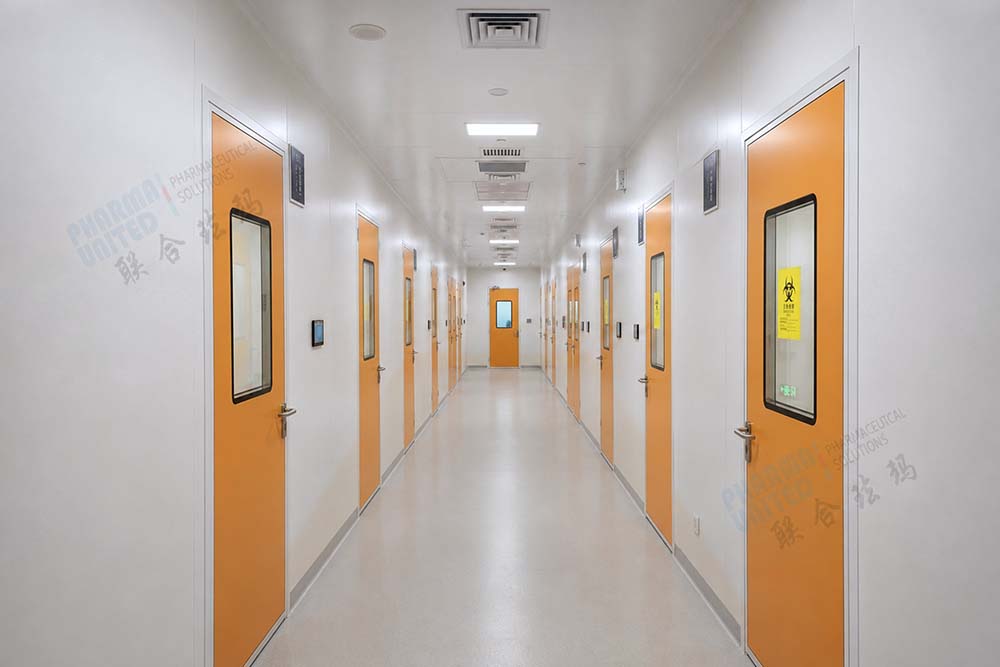
    1. What is a cleanroom door? A cleanroom door is specially designed to minimize air leakage, prevent contamination, and maintain stable pressure inside controlled environments. 2. What materials are available?Common materials include powder-coated steel, stainless steel, HPL panels, and aluminum frames. 3. What core materials can be used?Available fillings include paper honeycomb, aluminum honeycomb, rock wool, and polyurethane foam. 4. Are cleanroom doors airtight?Yes. High-quality sealing strips and drop-down seals can be used to improve airtightness and pressure control. 5. Can the door size and color be customized?Yes. Dimensions, colors, materials, vision panels, handles, and opening directions can be customized. 6. Are fire-rated cleanroom doors available?Yes. Fire-rated options are available according to project requirements and applicable standards. 7. Can the doors be connected to an access control system?Yes. They can be equipped with electric locks, card readers, interlocking systems, and automatic door operators. 8. Where are cleanroom doors commonly used?They are widely used in pharmaceutical plants, laboratories, hospitals, electronics factories, food facilities, and cosmetics workshops. 9. Are the doors easy to clean?Yes. Their smooth, flush, and corrosion-resistant surfaces are designed for easy cleaning and disinfection. 10. What information is required for a quotation?Please provide the door size, quantity, material, wall thickness, opening direction, fire-rating requirement, and required accessories.
  • Application scenarios of clean rooms
    Application scenarios of clean rooms Feb 26, 2025
    From protecting drug purity to achieving nanoscale innovation, cleanrooms are no longer a luxury, but a necessity. Whether you are expanding production scale or pioneering research, well-designed cleanrooms can achieve a return on investment through quality assurance, compliance, and excellent operations. 1.​Pharmaceutical & Biotech ​Application: Sterile filling lines, vaccine production, and lab spaces requiring ISO Class 5-6.   ​2. ​Electronics & Semiconductor Manufacturing ​Application: Chip fabrication, and nanotechnology research (ISO Class 1–4). ​3. ​Healthcare & Medical Devices ​Application: Production of surgical implants, IVD (in-vitro diagnostic) equipment. ​4. ​Food & Nutraceuticals ​Application: High-risk food processing (e.g., ready-to-eat meals, probiotic supplements). ​5. ​Research & Academic Labs ​Application: University labs, government R&D centers needing flexible, multi-purpose spaces. From protecting drug purity to achieving nanoscale innovation, cleanrooms are no longer a luxury, but a necessity. Whether you are expanding production scale or pioneering research, well-designed cleanrooms can achieve a return on investment through quality assurance, compliance, and excellent operations. Do you need a cleanroom solution? Contact us to plan your project.
  • What is Cleanroom Pass box?
    What is Cleanroom Pass box? Oct 31, 2024
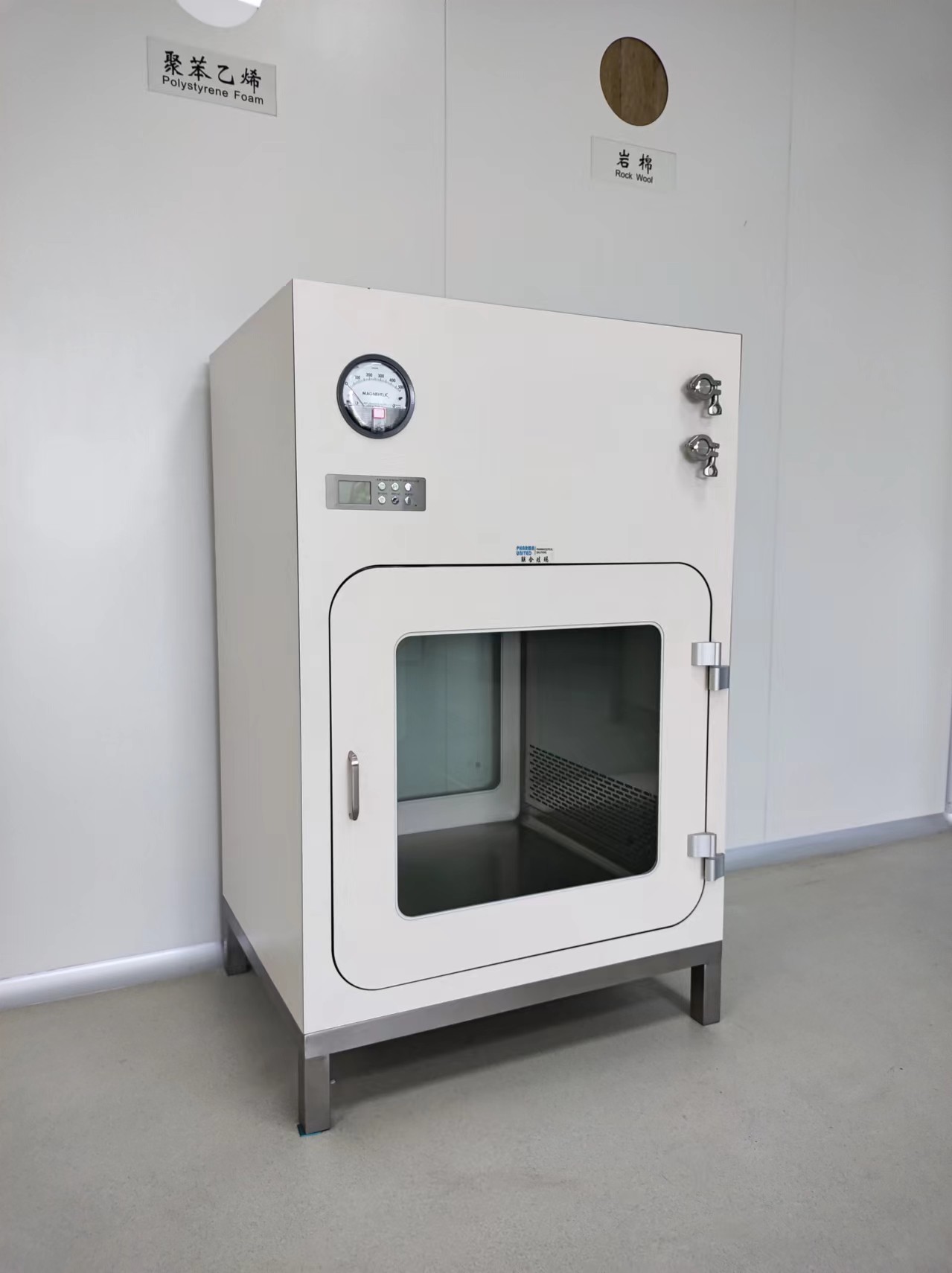
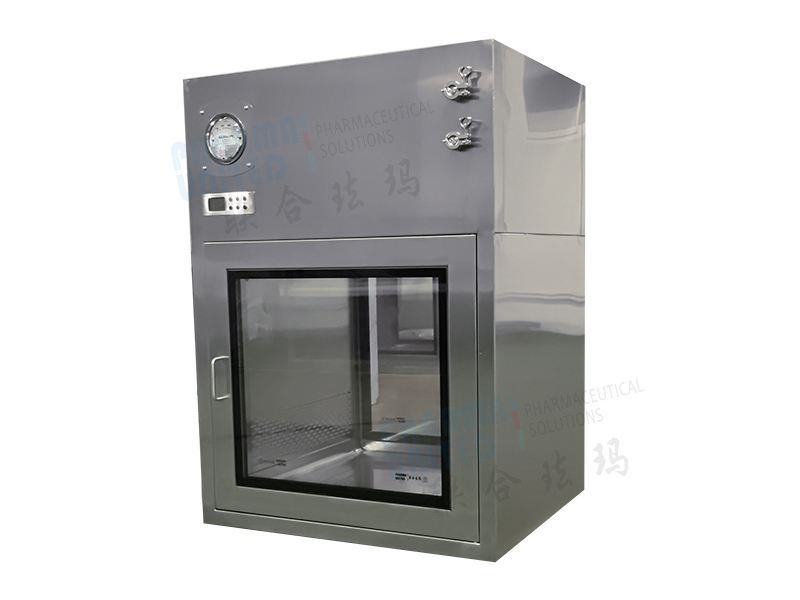
    A pass box is a widely used transfer device in cleanrooms, designed for transferring items between the cleanroom and external areas or between areas within the cleanroom with different cleanliness levels. Its purpose is to prevent contaminants from entering the cleanroom, thus ensuring the stability of the clean environment. Below is a technical article on pass boxes, detailing their functions and working principles.   Technical Analysis of Pass Boxes   1. Definition and Function of Pass Boxes A pass box, also known as a transfer hatch, is a critical component in cleanrooms. It serves as an isolated passage for transferring items between different areas of varying cleanliness levels, or between clean and non-clean areas. The primary function of a pass box is to minimize contamination risks during transfers, ensuring a stable clean environment inside the cleanroom. The key functions of a pass box include: Contamination Prevention: Cleanroom Pass boxes prevent contaminants from entering or exiting the cleanroom by isolating the transfer process. Air Filtration: Many pass boxes are equipped with air filters, such as HEPA or ULPA, to ensure clean air circulation within the pass box. Separation of Personnel and Material Flow: By allowing only materials to be passed through, pass boxes separate human traffic from material flow, improving the efficiency of cleanroom operations.   2. Types of Pass Boxes Pass boxes come in several types, tailored to different applications and structural needs: Mechanical Interlock Pass Boxes: These use a mechanical system to ensure that only one door can open at a time, preventing direct air exchange between the cleanroom and non-cleanroom areas. Electronic Interlock Pass Boxes: An electronic system controls the interlocking doors for higher precision and security, suitable for high-demand environments. Air Shower Pass Boxes: These contain a built-in air shower system that removes dust and contaminants from items’ surfaces during the transfer process, making them ideal for ultra-clean environments.   3. Working Principles of Pass Boxes The pass box operates on an interlock mechanism and includes an air filtration system to ensure cleanliness during the transfer process. The working process includes the following steps: Interlock Door Control: Pass boxes typically have two doors: one facing the cleanroom and one facing the external area. An interlock system—either mechanical or electronic—ensures only one door opens at a time, which prevents cross-contamination. Air Filtration: The pass box may include HEPA or ULPA filters to purify the air inside. Some models also feature an air shower system that blows air onto items to remove dust or other particles. Transfer Procedure: During transfer, one door opens for the item to be placed in the pass box. The first door is then closed before the opposite door can be opened, allowing items to enter or exit without compromising the cleanroom's air quality.   4. Installation and Maintenance of Pass Boxes Pass boxes should be installed in high-traffic transfer points according to cleanroom layout requirements. Regular inspections and maintenance of interlock mechanisms, air filtration systems, and air shower units are essential for optimal operation.   5. Applications of Pass Boxes Pass boxes are widely used in several industries to control contamination and ensure product quality: Semiconductor Manufacturing: Used to transfer delicate components like wafers, reducing the risk of particle contamination. Pharmaceutical Industry: Ensures aseptic conditions by transferring drugs and instruments without introducing contaminants. Food Processing: Prevents dust and microbial contamination of raw materials during transfer.
  • A Successful Visit by Industry Peers to Pharma United Co., Ltd.
    A Successful Visit by Industry Peers to Pharma United Co., Ltd. Oct 18, 2024
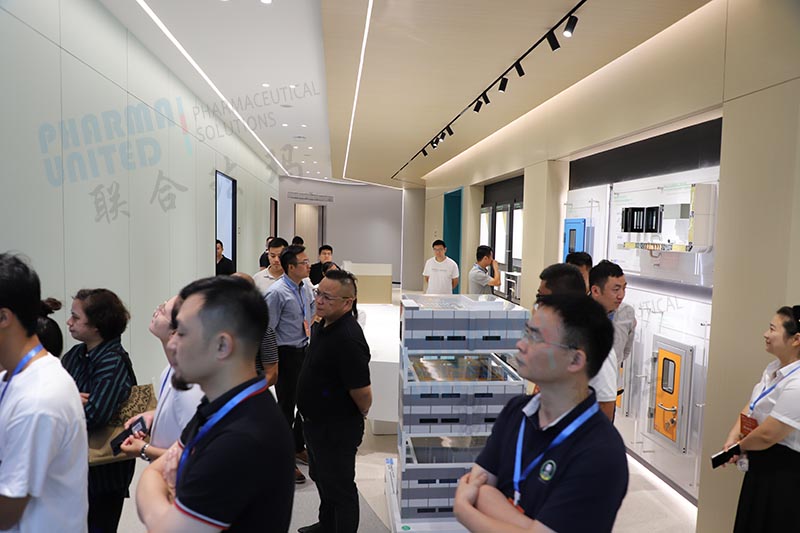
    Today, Pharma United Co., Ltd. had the pleasure of welcoming several industry peers to our factory. The company leadership was on hand to receive the guests and personally guide them through our facilities. The visit started with a tour of our state-of-the-art cleanroom showroom, where visitors had the opportunity to observe some of our key products up close. Following that, we moved on to the sandwich panel production line, providing a comprehensive overview of our manufacturing process and demonstrating the high standards we adhere to in production. After the tour, we held a productive discussion session, exchanging insights and ideas on industry trends, challenges, and future developments. The day was both informative and enjoyable for everyone involved, and we look forward to more such collaborations and exchanges in the future. We are grateful to our visitors for making this day a great success!
  • What is cleanroom?
    What is cleanroom? Oct 10, 2024
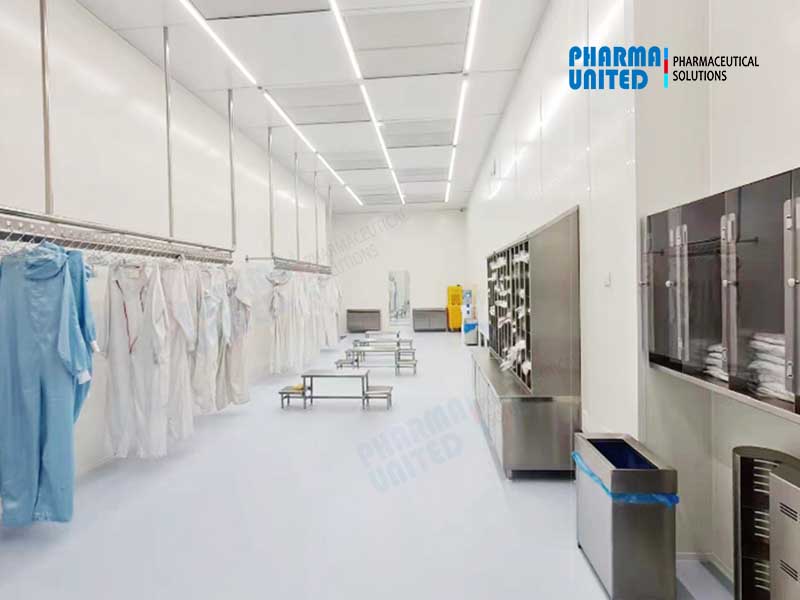
    A cleanroom is a specially designed environment where the concentration of airborne particles is controlled to ensure a contamination-free space. Cleanrooms are commonly used in industries that require strict control over environmental pollutants, such as dust, airborne microbes, aerosol particles, and chemical vapors. These environments are essential in sectors like pharmaceuticals, biotechnology, electronics, aerospace, and food processing, where even the smallest contaminant can compromise product quality or pose a safety risk. Key Features of a Cleanroom   1. Air Filtration    Cleanrooms use High-Efficiency Particulate Air (HEPA) or Ultra-Low Penetration Air (ULPA) filters to remove contaminants from the air. These filters capture particles as small as 0.3 microns or even smaller, ensuring that only clean air circulates within the room. The filtration system is often designed with positive pressure to prevent unfiltered air from entering. 2. Temperature and Humidity Control    Temperature and humidity levels are carefully controlled to meet specific requirements for different industries. For example, in the pharmaceutical industry, humidity control is critical to prevent moisture-sensitive materials from degrading. 3. Controlled Access    To minimize contamination, access to a cleanroom is highly restricted. Personnel must wear special garments, including gloves, masks, and coveralls, which prevent particles from their bodies from contaminating the air. Some cleanrooms also have air showers at the entrance to remove any dust particles from people before they enter. 4. Surface Materials    All surfaces within a cleanroom, such as walls, ceilings, and floors, are made from materials that do not shed particles and are easy to clean. The goal is to ensure that the room remains as sterile as possible during operation.   Cleanroom Classifications Cleanrooms are classified based on the number and size of particles allowed per cubic meter of air. The most widely used classification system is the ISO 14644-1 standard, which divides cleanrooms into nine different classes, ranging from ISO Class 1 (the cleanest) to ISO Class 9 (least clean). The classification depends on the specific industry and product requirements. For instance: - ISO Class 1 is used for manufacturing sensitive products like semiconductors. - ISO Class 5 is common in pharmaceutical production.   Applications of Cleanrooms   1. Pharmaceutical Industry    In drug manufacturing, cleanrooms prevent contamination of medicines, ensuring safety and efficacy. Sterile manufacturing environments are critical for injectable drugs and biologics.   2. Biotechnology    Laboratories dealing with cell cultures, DNA sequencing, and tissue engineering require cleanrooms to avoid contamination that could disrupt experiments or research outcomes.   3. Semiconductor Manufacturing    The production of microchips and electronic components takes place in ultra-clean environments to avoid defects caused by particles or impurities, which can affect the functionality of the devices.   4. Medical Devices    Cleanrooms ensure that surgical tools, implants, and other medical equipment are sterile, reducing the risk of infections when these devices are used in healthcare settings.   Why Are Cleanrooms Important?   Cleanrooms are critical for maintaining product integrity and ensuring that the manufacturing process meets regulatory standards. They prevent contamination, improve product quality, and protect end-users from potential health risks. Cleanrooms also contribute to research and development by providing a controlled environment where experiments can yield accurate and reliable results.   Conclusion Cleanrooms are essential in industries that require the highest levels of cleanliness and contamination control. Through advanced air filtration, environmental monitoring, and strict protocols, they help manufacturers meet stringent quality and safety standards. Whether in pharmaceuticals, biotechnology, electronics, or other fields, cleanrooms play a pivotal role in delivering safe, effective, and high-quality products.
  • Pharma United Company Limited
    Pharma United Company Limited Jul 19, 2024
    PHARMA UNITED (Kunshan) Co., Ltd. is a company mainly engages in develop, manufacture, sale and service for clean room products. We manufacture SS304 equipment, sandwich panel, clean room doors and windows for pharmaceutical, electronics, food and chemical industry. Our factory covers an area of more than 20,000 sqms, with advanced manufacturing equipment such as CNC laser cutting machine, CNC bending machine, CNC punching machine, etc. Design - manufacturing - installation - commissioning - validation - after-sales services is our working schedule. Every product can customized with high standard & high quality. Try our best to make you satisfy. Business scope: Cleanroom wall & ceiling panel, patition wall, false ceiling Cleanroom doors & windows, steel door, HPL door, aluminum frame door, emergency door HVAC System turnkey project, cleanroom gerneral contractor Cleanroom equipments (passbox, hatch, weighing booth, LAF, air shower, SS304 furniture) Indoor & outdoor PODs (modular cleanroom) Company photo: Warehouse Working area Bending Maching Laser cutting Punching Machine Office building  

Need Help? Chat with us

leave a message
For any request of information or technical support, fill in the form. All fields marked with an asterisk* are required.
Submit
Looking for FAQs?
Contact us #
+86 17715548238

Our hours

Mon 11/21 - Wed 11/23: 9 AM - 8 PM
Thu 11/24: closed - Happy Thanksgiving!
Fri 11/25: 8 AM - 10 PM
Sat 11/26 - Sun 11/27: 10 AM - 9 PM
(all hours are Eastern Time)

home

products

whatsApp

Contact Us